
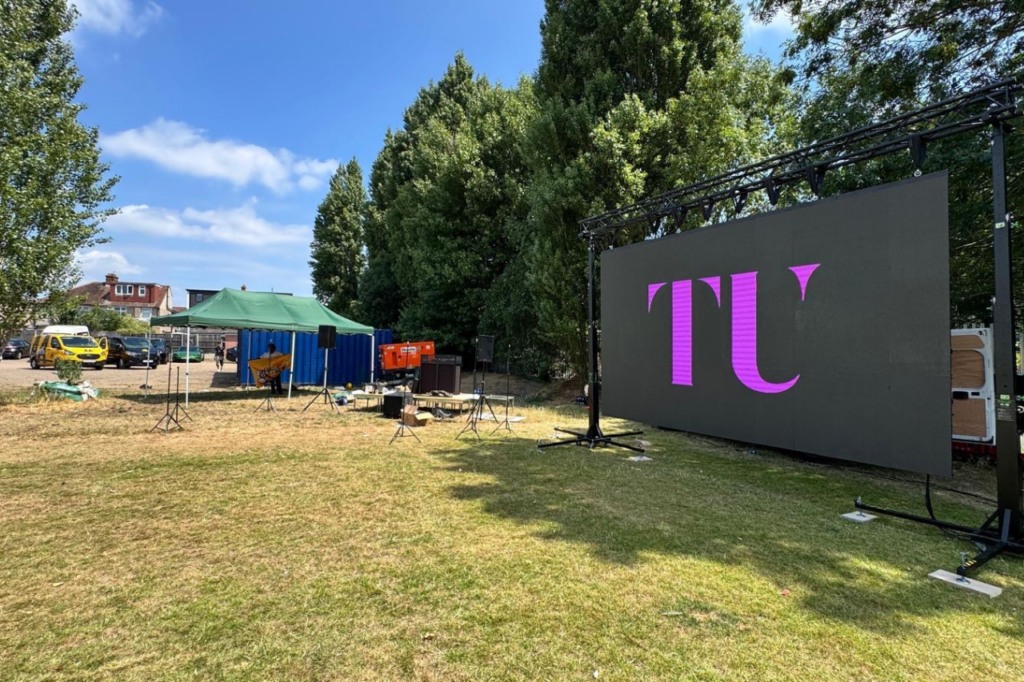
Hybrid events combine physical attendance with remote participation, allowing people to take part in the same event from different locations. This format is commonly used for corporate conferences, business meetings, product launches, training sessions and industry presentations.
While video conferencing and streaming platforms provide the connection between audiences, the physical event still needs an effective visual setup. LED screens can help presenters communicate with attendees, display remote speakers and bring digital content into the venue.
When integrated into a wider audiovisual setup, LED displays can support a more coordinated experience for both in-person and virtual participants.
What Is a Hybrid Event?
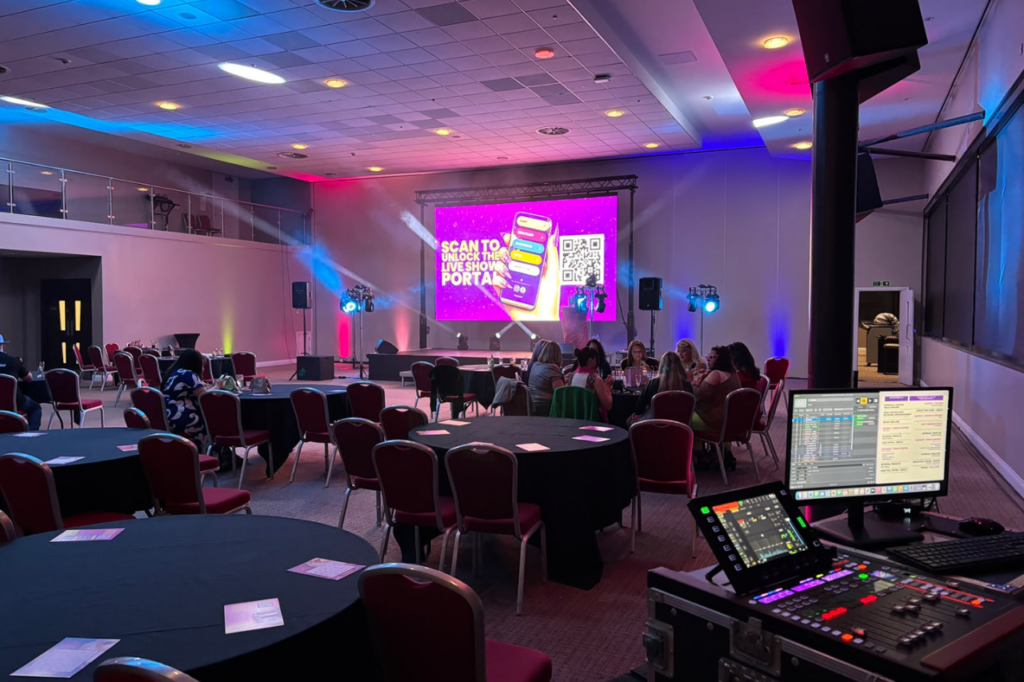
A hybrid event is an event that takes place in a physical venue while also offering a virtual way for people to participate.
For example, a company might organise a conference at a hotel while allowing employees, clients and business partners to watch presentations through a live stream.
Hybrid events can include:
- Corporate conferences
- Business meetings
- Product launches
- Training sessions
- Industry seminars
- Panel discussions
- Company announcements
- Awards ceremonies
The production requirements depend on how remote participants will take part. Some events simply broadcast presentations, while others include remote speakers, audience questions and interactive sessions.
How LED Screens Support Hybrid Events
LED screens provide a visual platform for displaying information and video content within the physical venue.
For hybrid productions, they can also help connect the in-person programme with the virtual audience.
1. Displaying Remote Speakers
One common challenge with hybrid events is making remote speakers visible to the audience in the venue.
An LED screen can display a live video feed from a speaker joining through a video conferencing platform.
This allows people attending in person to see the remote presenter while those watching online can follow the same presentation.
The screen size and positioning should be appropriate for the venue and audience viewing distance.
2. Showing Live Presentations
Presentations are an important part of many hybrid conferences and corporate meetings.
LED displays can show presentation slides, graphics, videos and supporting information during a session.
For events with both physical and virtual attendees, organisers should ensure that presentation content is also included in the live stream.
This helps maintain consistency between what people see in the venue and what remote viewers receive.
3. Supporting Live Video Feeds
Hybrid productions often involve multiple video sources, including:
- Live camera feeds
- Remote speakers
- Presentation computers
- Pre-recorded videos
- Video conferencing platforms
LED screens can display selected video sources within the venue.
A suitable video processing and signal distribution arrangement is needed to manage these sources and send the correct content to the relevant displays and streaming equipment.
4. Displaying Event Information and Branding
LED screens can also support the visual identity of a hybrid event.
Organisers may use displays for:
- Event titles and branding
- Speaker names and introductions
- Session schedules
- Sponsor messages
- Presentation graphics
- Break announcements
This helps create a consistent visual environment throughout the event.
LED Video Walls for Hybrid Conferences
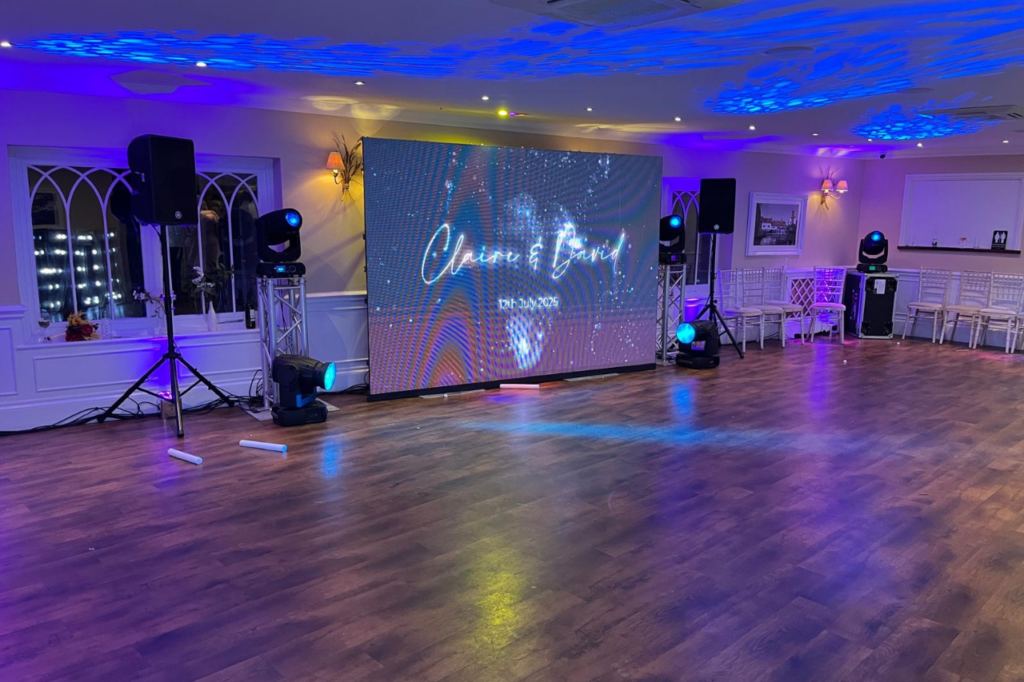
Conferences often involve several speakers, presentations and different types of content.
An LED video wall can provide a large display area for these elements.
Depending on the production setup, the display may be used to show a presentation, a remote speaker or a live camera feed from the stage.
For larger conferences, multiple display areas may be considered. For example, one screen could show the main presentation while another displays a remote participant or supporting information.
The configuration should be planned around the stage layout, audience sightlines and camera positions.
Technical Considerations for Hybrid Event Displays
A hybrid event requires coordination between the display equipment, audio system, cameras, streaming platform and video processing equipment.
The following considerations are important when planning the production.
Display and Camera Positioning
Screen placement affects both the physical audience and the remote viewing experience.
A display should be positioned so that attendees can see it clearly without obstructing important stage activity.
Camera positions also need to be considered. Screens may appear in the camera frame, so their placement and displayed content should be coordinated with the production team.
Video Signal Management
Hybrid events may use several sources at the same time.
For example, a production may need to switch between a presenter, presentation slides and a remote speaker.
Video processing and signal distribution equipment help manage these sources and route them to the appropriate screens and production systems.
The required equipment depends on the number of sources, display configuration and streaming workflow.
Audio and Video Synchronisation
Audio and video need to work together throughout the event.
Remote speakers should be heard clearly, while video feeds and presentations should be displayed correctly.
Audio routing, microphone arrangements and video processing should be considered together during technical planning.
Content Formatting
Content prepared for an LED video wall may need to be adapted for the live stream.
A wide-format display and a standard streaming video frame do not always use the same layout.
Organisers should prepare graphics, presentations and video content with the intended display and broadcast formats in mind.
Internet and Streaming Requirements
The virtual side of a hybrid event depends on a suitable internet connection and streaming setup.
LED screens do not provide the streaming connection themselves. Instead, they form part of the wider production environment.
The streaming platform, network arrangements and video production equipment should be tested before the event begins.
Common Challenges When Producing Hybrid Events
Hybrid productions involve more technical coordination than events designed for a single audience.
Some common challenges include:
Different viewing experiences: People in the venue and those watching remotely may see different content if the display and streaming arrangements are not coordinated.
Multiple video sources: Switching between speakers, slides, camera feeds and remote participants requires suitable video processing and signal routing.
Screen visibility: Displays need to be positioned so that both the physical audience and event cameras can capture the intended content.
Technical coordination: Audio, video, lighting, streaming and presentation systems need to work together throughout the programme.
Content preparation: Presentations and graphics may need separate layouts for the venue screens and online broadcast.
Planning these elements before the event can help identify technical requirements and reduce last-minute changes.
How to Plan LED Screen Requirements for a Hybrid Event
Before selecting LED display equipment, organisers should establish how the event will operate.
Consider the following questions:
- How many people will attend the physical event?
- How many remote participants are expected?
- Will speakers join remotely?
- Will the event include live streaming?
- How many video sources need to be displayed?
- Will presentations and live camera feeds appear on the same screen?
- What screen dimensions and viewing distances are suitable for the venue?
- What equipment is required to connect the display to the production system?
Having these details available makes it easier to assess the display configuration and supporting audiovisual requirements.
Why Professional AV Planning Matters for Hybrid Events
Hybrid events rely on several technical systems operating together.
An LED screen may be responsible for displaying remote speakers, presentations or live camera feeds, but its effectiveness depends on how it connects with the wider production setup.
Professional AV planning considers the relationship between screens, cameras, audio systems, video processing and streaming equipment.
This is particularly important for conferences and corporate events where presentations and remote contributions need to be delivered clearly to both audiences.
Frequently Asked Questions
What are LED screens used for at hybrid events?
LED screens can display presentations, remote speakers, live camera feeds, event branding and other visual content within the physical venue.
Can remote speakers appear on LED screens?
Yes. A remote speaker’s video feed can be routed through suitable video equipment and displayed on an LED screen in the venue.
Do hybrid events need LED video walls?
Not every hybrid event requires an LED video wall. The appropriate display depends on the venue, audience size, content requirements and production format.
Can LED screens display live streaming content?
LED screens can display video feeds supplied by the event’s production system. The streaming and video distribution arrangements need to be configured to suit the event.
What equipment is needed for a hybrid event?
Requirements vary, but a hybrid production may involve LED displays, cameras, microphones, audio equipment, video processing systems, computers, streaming equipment and a suitable internet connection.
How early should LED screen requirements be planned?
Display and production requirements should be considered during the early stages of event planning. This allows time to review the venue, screen positioning, video sources, camera arrangements and technical connections.
Plan Your Hybrid Event with Technically Unique
Hybrid events require careful coordination between physical displays and the technology used to connect remote participants.
LED screens can support presentations, remote speakers, live video feeds and event branding, making them an important consideration for certain hybrid production setups.
Technically Unique provides audiovisual equipment hire and LED video wall solutions for events. Businesses planning conferences, presentations and corporate productions can discuss their display requirements and explore suitable equipment options.
To discuss an upcoming event, visit Technically Unique’s contact page.