
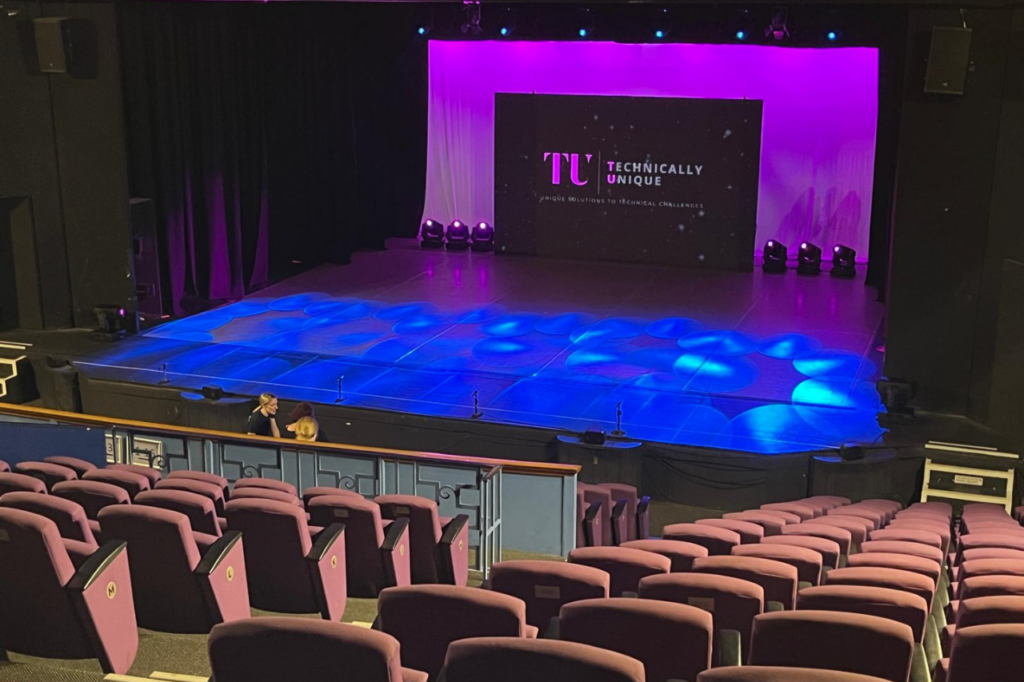
Outdoor events present different technical challenges from indoor productions. Natural light, changing weather, open spaces and longer viewing distances can all affect how a digital display performs.
An outdoor LED screen needs to be suitable for its environment, not simply large enough for the audience. Brightness, weather protection, structural support, power requirements and screen positioning all need to be considered before installation.
For event organisers arranging festivals, concerts, sporting events, public gatherings or outdoor corporate functions, understanding these requirements can help prevent technical problems during the production.
This guide explains the main considerations when planning an outdoor LED screen setup and what should be discussed with an AV supplier before the event.
1. Screen Brightness and Direct Sunlight
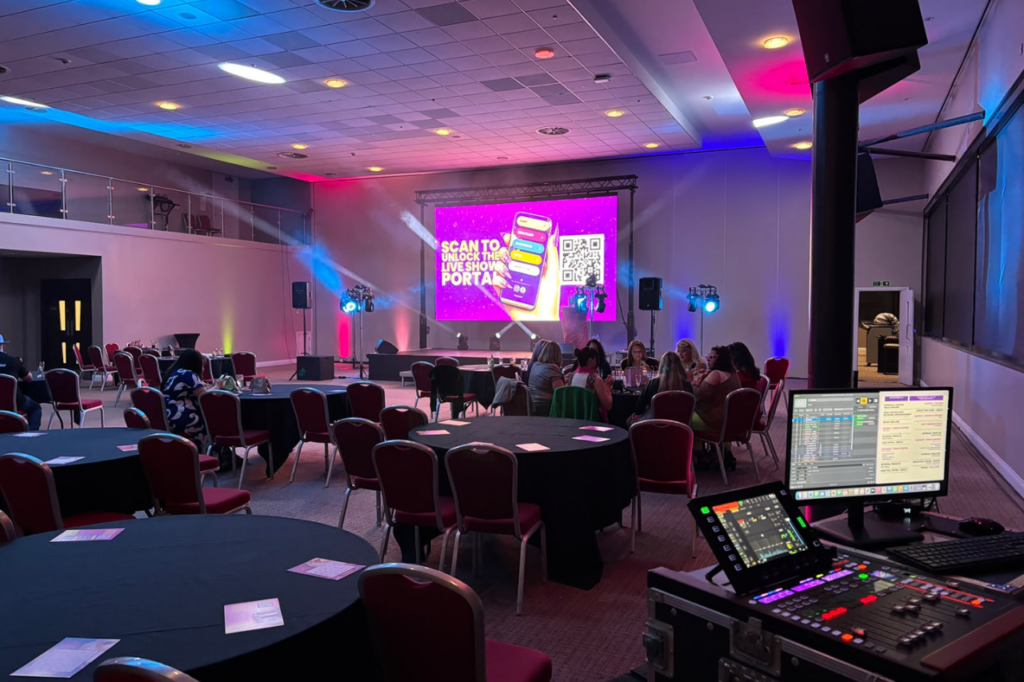
Brightness is one of the most important considerations when using an outdoor LED screen.
Indoor displays operate in more controlled lighting conditions. Outdoor screens, however, may need to remain visible in direct sunlight, particularly during daytime events.
A display that looks bright inside a venue may become difficult to see when exposed to strong natural light.
When assessing an outdoor LED screen, consider:
- Daylight conditions: Determine whether the screen will face direct sunlight or remain in a shaded area.
- Brightness levels: The display needs sufficient brightness for the expected lighting conditions.
- Viewing direction: The position of the sun can affect screen visibility at different times of the day.
- Content contrast: Text, graphics and video should remain clear against bright backgrounds.
- Automatic brightness control: Some display systems support brightness adjustments, which may help manage changing light conditions.
The screen should be assessed according to the event schedule. A display used for an afternoon festival may have different requirements from one used during an evening concert.
2. Weather Resistance and Outdoor Protection
Outdoor LED screens are exposed to environmental conditions that indoor displays do not normally encounter.
Rain, moisture, dust and temperature changes can affect electronic equipment. This makes weather protection an important part of outdoor screen planning.
When discussing equipment with a supplier, ask about the following:
Water resistance
Outdoor-rated LED panels are designed with protection against moisture. The required protection depends on the equipment specification and the conditions in which it will be used.
Ask the supplier for the relevant IP rating and whether the specification applies to the front, rear or both sides of the display.
Dust protection
Outdoor locations can expose equipment to dust, dirt and other airborne particles. Suitable protection helps reduce the risk of these materials entering sensitive components.
Temperature conditions
Electronic equipment generates heat during operation. Outdoor temperatures, direct sunlight and ventilation conditions can affect how the display operates.
The equipment specification should be suitable for the expected operating environment.
Weather monitoring
Event organisers should also have a plan for changing weather conditions. Heavy rain, strong winds or other severe conditions may require adjustments to the installation or operation.
Weather resistance does not mean that every outdoor LED screen can operate safely in all conditions. Always follow the manufacturer’s operating limits and the installation team’s guidance.
3. Wind Exposure and Structural Support
Wind is a particularly important consideration when installing large outdoor LED displays.
Unlike indoor screens, outdoor structures may be exposed to strong and changing wind conditions. A large display can present a significant surface area to the wind, placing additional demands on its supporting structure.
Before installation, the production team should assess:
- The height and dimensions of the display.
- The proposed support structure.
- The location’s exposure to wind.
- The ground conditions and available fixing points.
- The required ballast or anchoring arrangements.
- Any venue or site restrictions.
Structural requirements should be assessed by competent professionals. The support system must be suitable for the screen configuration and the conditions expected at the location.
This is particularly important at temporary event sites, where the ground, available space and surrounding structures can vary considerably.
4. Screen Positioning and Audience Visibility
An outdoor LED screen needs to be positioned so that the intended audience can view the content clearly.
The best location depends on the event layout, audience size, viewing distance and surrounding environment.
Several factors should be reviewed before installation.
Audience viewing distance
A screen positioned too far from the audience may make smaller text and detailed graphics difficult to read. The content and display configuration should be considered together.
Screen height
The display should be positioned at a suitable height for the audience. At busy outdoor events, people standing in front of the screen may obstruct the view of those further back.
Sun direction
The position of the sun can affect visibility, especially during daytime events. The screen orientation should be considered in relation to the event schedule.
Obstructions
Trees, temporary structures, lighting towers and other equipment can block the audience’s view. A site assessment helps identify these issues before installation.
Audience movement
At festivals and public events, people may approach the screen from different directions. The screen position should reflect how attendees are expected to move around the site.
5. Power Requirements and Cable Management
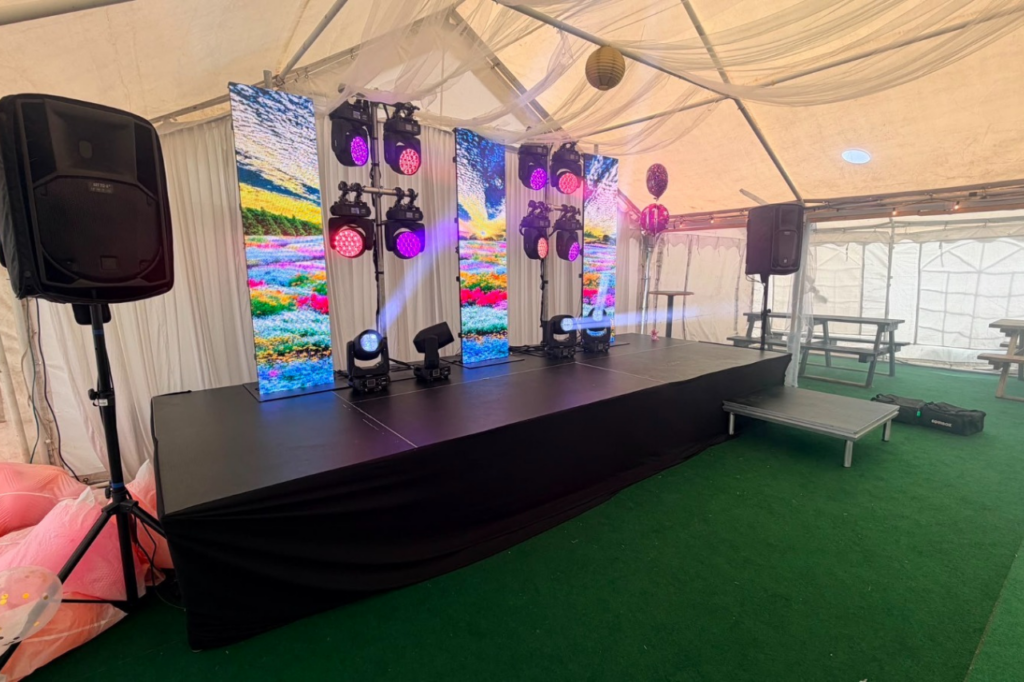
Outdoor LED screens require a suitable electrical supply and a properly planned distribution arrangement.
Power requirements depend on the screen configuration, equipment specifications and operating conditions. The supplier should confirm the expected electrical load before the event.
Important considerations include:
- Available power supply at the venue.
- Total electrical demand of the display.
- Suitable power distribution equipment.
- Cable lengths and routing.
- Protection of electrical connections from weather.
- Access to power during installation and operation.
Cable management also needs attention, particularly at public events where attendees, staff and vehicles may move around the site.
Cables should be routed to reduce trip hazards and prevent accidental damage. Where cables cross pedestrian or vehicle routes, suitable protection and access arrangements should be planned.
Power distribution and electrical connections should be handled by appropriately qualified personnel.
6. Video Sources and Content Preparation
An outdoor LED screen is only one part of the display system. The content source and signal connections also need to be prepared before the event.
Depending on the production, the screen may display:
- Live camera feeds.
- Pre-recorded videos.
- Presentation slides.
- Event schedules.
- Sponsor graphics.
- Promotional material.
- Live sporting or performance footage.
The content needs to be prepared for the screen’s resolution and aspect ratio. Incorrect formatting can result in stretched images, cropped text or unused areas of the display.
The production team should confirm:
- Which video sources will be connected.
- The required input connections.
- The content resolution and aspect ratio.
- How content will be switched during the event.
- Whether backup playback equipment is required.
For events involving several presenters or live camera feeds, the video signal arrangement should be tested before the audience arrives.
7. Installation Access and Event Scheduling
Outdoor installations often involve additional logistical planning.
Unlike permanent indoor venues, temporary event locations may have restricted access times, uneven ground or limited space for equipment and installation vehicles.
Before the event, confirm:
- When the installation team can access the site.
- Whether vehicles can reach the installation area.
- Whether ground conditions are suitable for the proposed structure.
- Where equipment can be stored during setup.
- Whether other contractors will be working in the same area.
- When the display must be fully tested and ready.
The installation schedule should also allow time for technical checks before the event begins.
If the display is part of a larger production, its installation needs to be coordinated with staging, lighting, sound and other event equipment.
8. Outdoor LED Screens for Different Event Types
Outdoor LED displays are used in several types of live events. Each setting can introduce different technical requirements.
Festivals and outdoor concerts
Festivals and concerts often use large screens to show live camera footage, performance visuals and event information.
The display may need to serve audiences across a wide area, making screen positioning, structural support and visibility important considerations.
Sporting events
Outdoor sporting events may use LED screens to display live footage, scores, schedules and sponsor content.
Screen placement should take account of spectator positions and the layout of the event site.
Outdoor corporate events
Product launches, company celebrations and promotional events may use outdoor LED screens for presentations, branded content and video playback.
The display needs to be positioned so that guests can follow the programme without obstruction.
Public screenings
Public screenings may require displays to remain visible to audiences spread across an open area.
Viewing distance, screen brightness, content preparation and power arrangements should all be considered during planning.
9. Outdoor LED Screen Setup Checklist
Before confirming an outdoor LED screen installation, event organisers should review the following requirements.
| Planning area | What to confirm |
|---|---|
| Brightness | Suitability for daylight and expected lighting conditions |
| Weather protection | Outdoor rating and operating limits |
| Structural support | Suitable support, anchoring and wind assessment |
| Positioning | Audience visibility, height and viewing direction |
| Power | Electrical supply, load and distribution |
| Cabling | Safe routes and suitable cable protection |
| Content | Correct resolution, aspect ratio and video sources |
| Site access | Installation space and vehicle access |
| Testing | Time allocated for checks before the event |
| Weather plan | Procedures for changing or severe conditions |
Reviewing these points before installation helps the event team identify potential issues while there is still time to address them.
10. Why Professional Planning Matters
Outdoor LED screen installations involve more than assembling display panels and connecting a video source.
The display needs to work within the conditions of the event site. This requires coordination between the screen specification, supporting structure, electrical arrangements, content system and installation schedule.
Working with an experienced AV supplier can help event organisers assess these requirements before equipment is installed.
At Technically Unique, LED video walls and audio-visual equipment are part of the company’s event production services. The appropriate equipment and setup can be discussed according to the event location, audience requirements and production brief.
Frequently Asked Questions
What makes an LED screen suitable for outdoor events?
An outdoor LED screen should have specifications suitable for external conditions. Important considerations include brightness, weather protection, operating temperature and the supporting structure.
Can outdoor LED screens be used in direct sunlight?
Yes, outdoor-rated LED displays can be designed for use in daylight conditions. However, the required brightness and screen positioning should be assessed according to the location and expected sunlight exposure.
Are outdoor LED screens waterproof?
Not every outdoor LED screen has the same level of water protection. The relevant IP rating and manufacturer operating limits should be checked before selecting equipment for an event.
How are outdoor LED screens supported?
Outdoor displays may use temporary support structures, ground-supported systems or other approved installation arrangements. The appropriate solution depends on the display dimensions, location, ground conditions and structural assessment.
Do outdoor LED screens need a separate power supply?
They require an electrical supply with sufficient capacity for the display and associated equipment. The supplier should confirm the electrical requirements and distribution arrangements before installation.
Can outdoor LED screens show live video?
Yes. Outdoor LED screens can display live camera feeds, presentations, video playback and other compatible content when connected to suitable video equipment.
What should be checked before hiring an outdoor LED screen?
Check the display specifications, brightness, weather protection, structural requirements, power supply, installation access, content format and testing schedule.
Conclusion
Outdoor LED screens can support a wide range of live events, but their performance depends on more than the display itself. Brightness, weather protection, wind exposure, structural support, power and positioning all need to be considered before installation.
Planning these requirements early gives event organisers a clearer understanding of the equipment and technical arrangements needed at the venue.
For businesses and organisers considering an outdoor LED display, Technically Unique can discuss LED video wall and AV equipment requirements for upcoming events.
Planning an outdoor event? Contact Technically Unique to discuss your LED screen requirements and event production needs.