
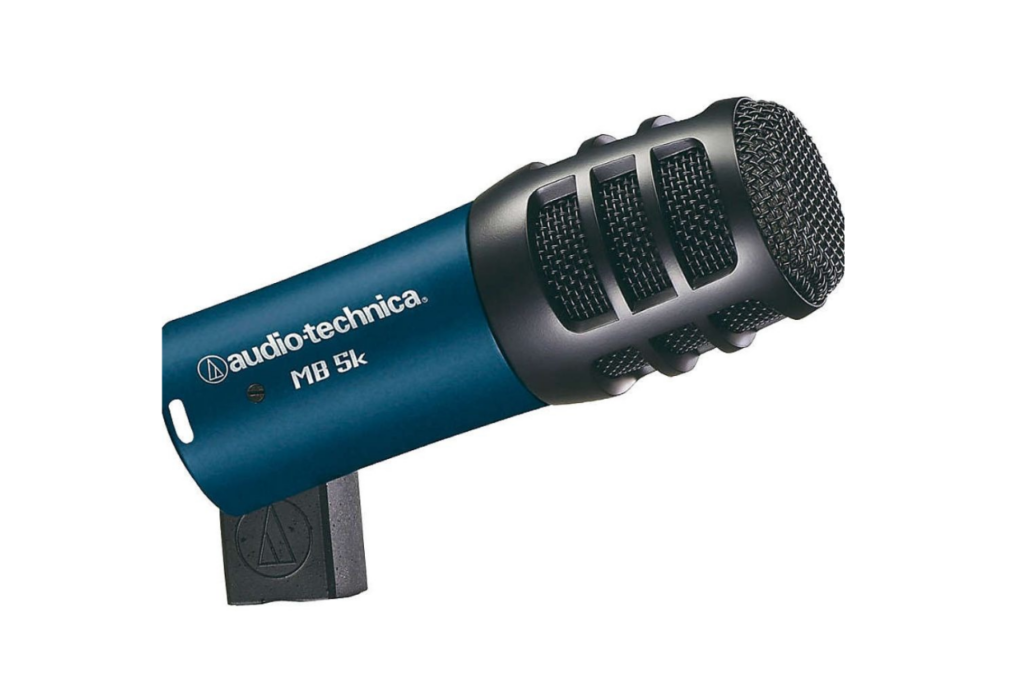
Choosing the right microphone is an important part of planning an event. Speakers need to be heard clearly, presenters need to communicate without distractions, and performers need equipment that allows them to move comfortably.
Wireless microphones offer flexibility by allowing users to move around without being connected to the sound system by a cable. They are commonly used at conferences, corporate presentations, panel discussions, awards ceremonies, weddings and live performances.
However, not every microphone is suitable for every situation. Handheld, lapel and headset microphones each have different features and practical uses. Understanding these differences helps event organisers select equipment that suits their programme and speakers.
This guide explains the main types of wireless microphones, where they are used and what to consider when arranging wireless microphone hire.
1. Handheld Wireless Microphones
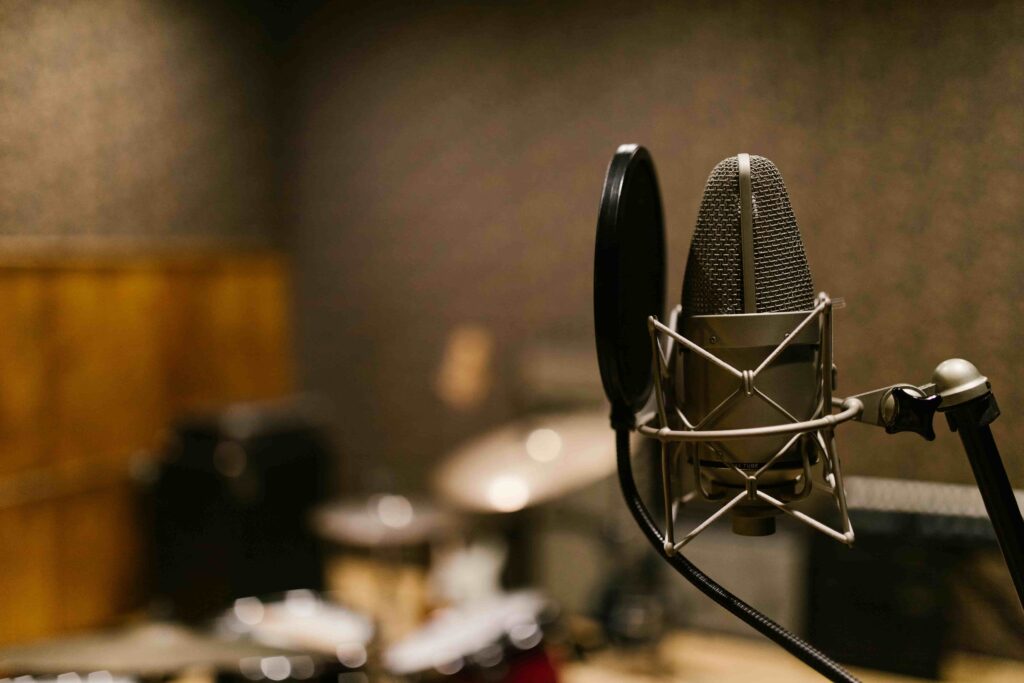
<text>Handheld microphones are among the most familiar options for live events. They are held close to the speaker’s mouth and are suitable for situations where the microphone needs to be passed between different people.</text>
They are commonly used for:
- Conference presentations and keynote speeches
- Audience question-and-answer sessions
- Interviews and panel discussions
- Wedding speeches and announcements
- Live performances and entertainment
One advantage of a handheld microphone is that the user can control its position. This makes it easier to adjust the distance between the microphone and their mouth while speaking.
Handheld microphones are particularly useful when several people need to use the same microphone during an event. However, users need to hold the microphone correctly throughout their speech.
When to choose a handheld microphone: It is a practical option for presenters, hosts, interviewers and speakers who are comfortable holding a microphone.
2. Lapel Wireless Microphones
A lapel microphone, sometimes called a lavalier microphone, is a small microphone attached to clothing. It allows the speaker to talk without holding a microphone, leaving both hands free for presentations, demonstrations or other activities.
Lapel microphones are often used for:
- Corporate presentations
- Interviews
- Training sessions
- Educational talks
- Video recordings and filmed presentations
The microphone is usually clipped near the speaker’s upper chest. A small wireless transmitter is worn discreetly, while a receiver connects to the event’s audio system.
Placement is important. Clothing movement, jewellery and fabric rubbing can create unwanted noise. The microphone should be positioned carefully and tested before the event begins.
When to choose a lapel microphone: It is suitable for speakers who need to use their hands while presenting and do not need to move around extensively.
3. Headset Wireless Microphones
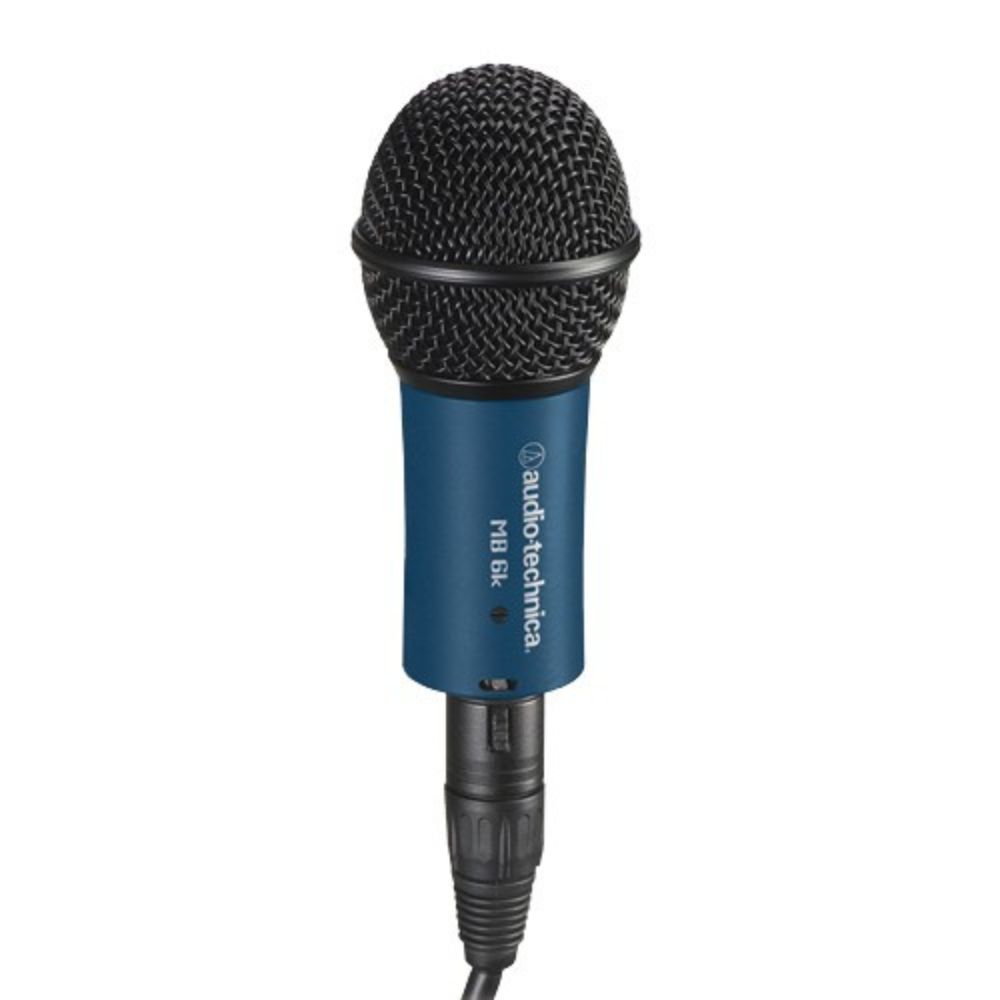
Headset microphones use a small microphone positioned close to the speaker’s mouth, with a frame that fits around the head or over the ears.
Unlike lapel microphones, headset microphones maintain a more consistent position as the user moves. This can help provide a more consistent audio level during presentations and performances.
They are commonly used for:
- Fitness instructors
- Theatre performers
- Presenters who move around a stage
- Demonstrations and interactive sessions
- Speakers who need both hands free
A headset microphone can be useful when a speaker needs to walk, gesture or demonstrate something while talking. It is important to select a comfortable fit and check that the microphone remains correctly positioned.
When to choose a headset microphone: It is a good option for active presenters and performers who need hands-free operation and freedom of movement.
4. Comparing Handheld, Lapel and Headset Microphones
The best microphone depends on how it will be used during the event. The following comparison highlights the main differences.
| Microphone type | Main advantage | Best suited to |
|---|---|---|
| Handheld | Easy to pass between users | Speeches, interviews and Q&A |
| Lapel | Small and discreet | Presentations and interviews |
| Headset | Stays close to the speaker’s mouth | Active presenters and performers |
There is no single microphone type that works best for every event. A conference may require handheld microphones for audience questions and lapel microphones for keynote speakers. A theatre production may benefit from headset microphones for performers who need to move around the stage.
The programme, number of speakers and venue setup should all be considered before selecting equipment.
5. How Many Wireless Microphones Does an Event Need?
The number of microphones required depends on the event schedule and how many people need to speak at the same time.
For example, a corporate conference may need:
- One microphone for the main presenter
- Additional microphones for panel members
- Handheld microphones for audience questions
- A spare microphone for unexpected requirements
A wedding may need fewer microphones, depending on the number of speeches and announcements planned.
It is also important to consider whether microphones will be used simultaneously. A panel discussion with four speakers requires a different setup from a presentation where only one person speaks at a time.
Discussing the running order with the AV supplier helps establish the appropriate number and type of microphones.
6. Wireless Microphone Frequency and Signal Interference
Wireless microphones transmit audio signals to a receiver without requiring a physical cable between the microphone and the sound system.
However, wireless equipment relies on radio frequencies, and these need to be managed carefully.
Potential issues include:
- Frequency interference: Other wireless equipment operating nearby may affect microphone performance.
- Signal dropouts: Physical obstructions or distance from the receiver can weaken the signal.
- Multiple microphone systems: Several wireless microphones may require coordinated frequency planning.
- Venue conditions: Large rooms, equipment positioning and nearby electronic devices can affect wireless performance.
For events using multiple wireless microphones, frequency coordination is particularly important. The equipment should be checked in the actual venue where possible, rather than relying only on a test carried out in a different location.
A technical check before guests arrive can help identify potential problems and allow adjustments to be made.
7. What Should Be Checked Before the Event?
A microphone may work perfectly during a brief test but still encounter problems during a full event if the setup has not been properly checked.
Before the programme begins, the following points should be reviewed:
Battery levels
Check that transmitters and microphones have sufficient battery power for the planned running time. Spare batteries or charged alternatives should be available where appropriate.
Microphone placement
Lapel and headset microphones need to be positioned correctly. Clothing noise, poor placement and excessive distance from the speaker’s mouth can affect sound quality.
Receiver positioning
Wireless receivers should be placed where they can maintain a reliable connection with the microphones. Avoid unnecessary obstructions between transmitters and receivers.
Audio levels
Each microphone should be tested through the event’s sound system. Levels should be adjusted so that speakers can be heard clearly without distortion or feedback.
Frequency coordination
When several wireless microphones are being used, check that their frequencies are compatible and properly coordinated.
Speaker familiarisation
Give speakers a brief explanation of how to use their microphones. This is especially helpful for people who do not regularly present at events.
8. Common Wireless Microphone Problems and How to Avoid Them
Wireless microphones provide flexibility, but a few practical issues can affect their performance.
Microphone cutting out
A microphone may lose its signal if the transmitter moves outside the receiver’s effective range or if there is interference.
Check receiver placement, transmitter batteries and frequency settings before the event starts.
Feedback and unwanted noise
Feedback can occur when sound from the loudspeakers is picked up by a microphone and amplified again.
Correct speaker positioning, microphone handling and sound system adjustments can help reduce the risk.
Clothing noise on lapel microphones
Lapel microphones can pick up rubbing from clothing, necklaces and other accessories.
The microphone should be attached securely in a suitable position, with the cable routed carefully.
Inconsistent sound levels
A speaker who moves the microphone too far away from their mouth may become difficult to hear. This is more common when users are unfamiliar with handheld microphones.
A short microphone briefing and sound check can help prevent this problem.
9. Choosing Wireless Microphones for Different Events
Different event formats have different audio requirements. Matching the microphone to the programme helps speakers communicate comfortably and clearly.
| Event type | Suitable microphone options |
|---|---|
| Corporate conference | Handheld and lapel |
| Panel discussion | Handheld and headset, depending on format |
| Awards ceremony | Handheld for hosts and winners |
| Wedding speeches | Handheld |
| Theatre production | Headset |
| Training session | Lapel or headset |
| Interviews | Handheld or lapel |
| Fitness presentation | Headset |
These are starting points rather than fixed rules. The final setup should account for the venue, speaker preferences, programme format and available sound equipment.
10. Arranging Wireless Microphone Hire
When arranging wireless microphone hire, event organisers should provide the supplier with enough information to recommend suitable equipment.
Useful details include:
- Event type and venue
- Number of presenters, performers or speakers
- Whether speakers will move around
- Number of microphones needed at the same time
- Whether microphones will be used for audience questions
- Event schedule and running time
- Existing sound equipment at the venue
These details help the technical team understand the requirements and plan an appropriate setup.
For larger events, it is also worth discussing microphone handovers, spare equipment and who will manage the microphones during the programme.
Frequently Asked Questions
What is the difference between a lapel and a headset microphone?
A lapel microphone clips onto clothing, usually near the speaker’s chest. A headset microphone is worn around the head, positioning the microphone closer to the mouth. Headsets are often preferred for speakers who move around frequently.
Are wireless microphones suitable for conferences?
Yes. Wireless microphones are commonly used at conferences for keynote presentations, panel discussions, interviews and audience questions. The equipment should be selected according to the number of speakers and the conference format.
How many wireless microphones can be used at once?
The number depends on the wireless equipment, available frequency spectrum and the venue environment. Multiple microphones may require frequency coordination to avoid interference.
Do wireless microphones need batteries?
Yes. Wireless transmitters and microphones require a power source, usually batteries or rechargeable battery packs. Battery levels should be checked before the event.
Is a handheld or lapel microphone better for presentations?
Both can work well. A handheld microphone gives the presenter control over its position, while a lapel microphone leaves their hands free. The right choice depends on the presentation style and whether the speaker needs to move around.
Should wireless microphones be tested before an event?
Yes. Microphones should be tested through the event’s sound system before guests arrive. This allows the technical team to check audio levels, signal strength, battery condition and possible interference.
Arrange Wireless Microphone Hire with Technically Unique
The right microphone helps presenters, speakers and performers communicate clearly throughout an event. Whether a programme requires handheld microphones for speeches, lapel microphones for presentations or headset microphones for active performers, selecting suitable equipment is an important part of event planning.
Technically Unique provides audio visual equipment and event production services for events across Essex, London and surrounding areas. Contact the team to discuss the microphone requirements, venue and technical setup for an upcoming event.
Planning an event? Contact Technically Unique to discuss wireless microphone hire and audio equipment requirements.