
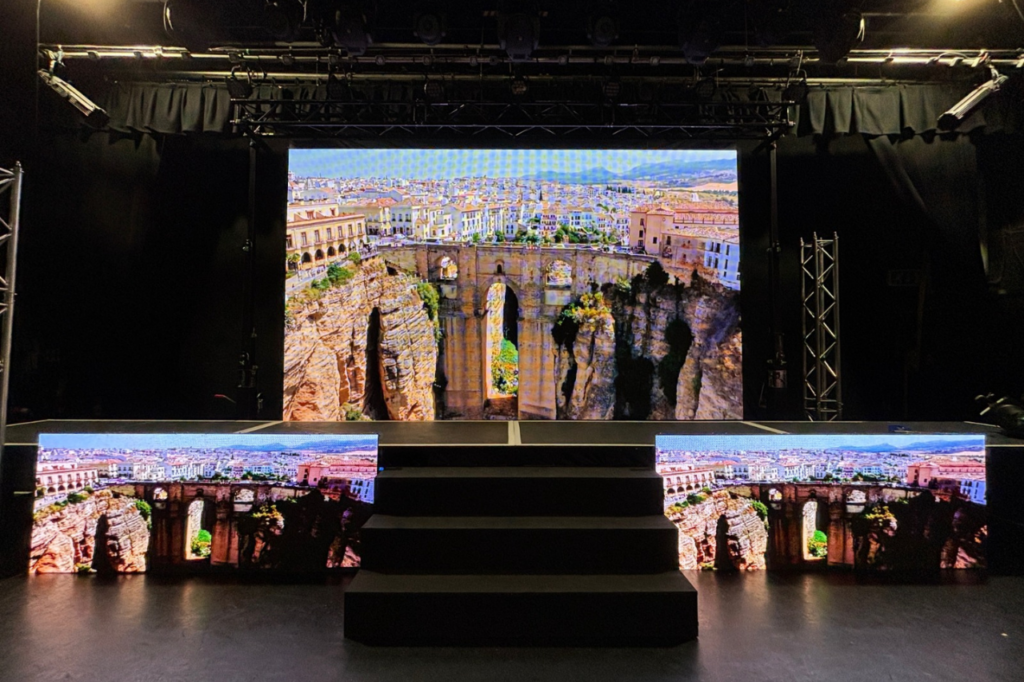
LED video walls are a popular choice for conferences, exhibitions, concerts, corporate events and live productions. They provide a large, bright display for presentations, video content, branding and live camera feeds.
However, a successful LED video wall installation involves more than assembling display panels. The venue, screen configuration, power requirements, content sources and installation schedule all need to be considered before the event begins.
Here’s what event organisers should know about LED video wall installation and how to prepare for a smooth setup.
What Is LED Video Wall Installation?
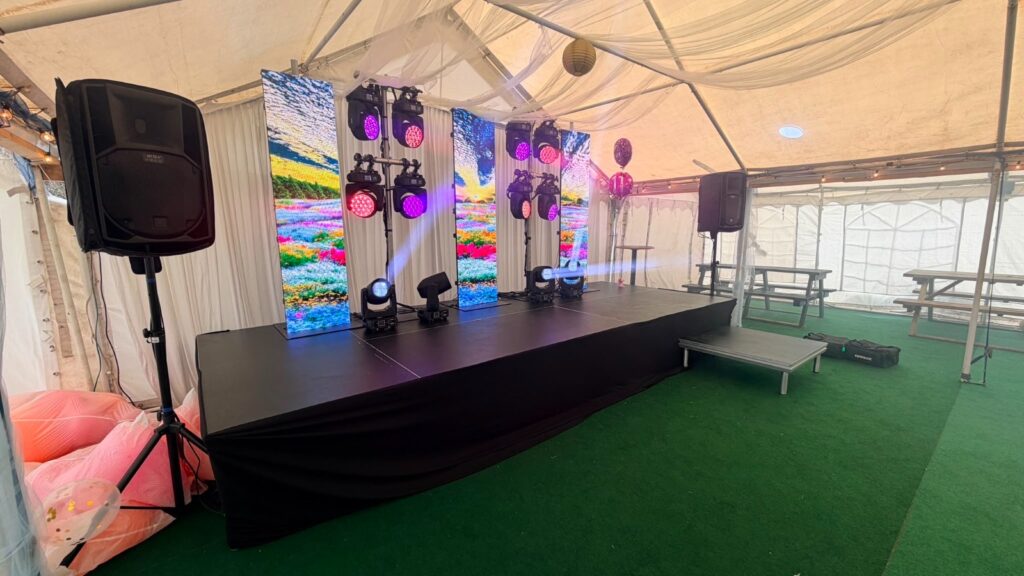
LED video wall installation involves assembling LED display panels into a larger screen, connecting the necessary equipment and configuring the display for the event.
Depending on the project, an LED video wall may be installed using:
- Ground-supported structures
- Truss systems
- Rigging and suspended structures
- Custom-built exhibition or stage structures
The installation method depends on the screen’s size, weight, location and intended use. Venue restrictions and safety requirements also influence the setup.
For temporary events, installation is generally completed by an experienced AV or LED screen hire team before the event opens.
1. Choose the Right Location for Your LED Video Wall
The screen’s position affects visibility, audience experience and installation requirements.
Before confirming the location, consider:
- Audience viewing distance: The screen should be large enough for attendees to read text and see visuals comfortably.
- Sightlines: Check whether stage equipment, lighting fixtures or other structures could obstruct the display.
- Venue restrictions: Some venues have limitations on suspended equipment, floor loading, access routes or installation methods.
- Lighting conditions: Ambient lighting and direct sunlight can affect screen visibility.
- Available space: Allow sufficient room for the display structure, equipment and any required access.
For exhibitions, positioning the screen where visitors can see it from the aisle can help attract attention to the stand. For conferences, the display should remain visible from the back and sides of the audience seating area.
2. Determine the Required Screen Size and Configuration
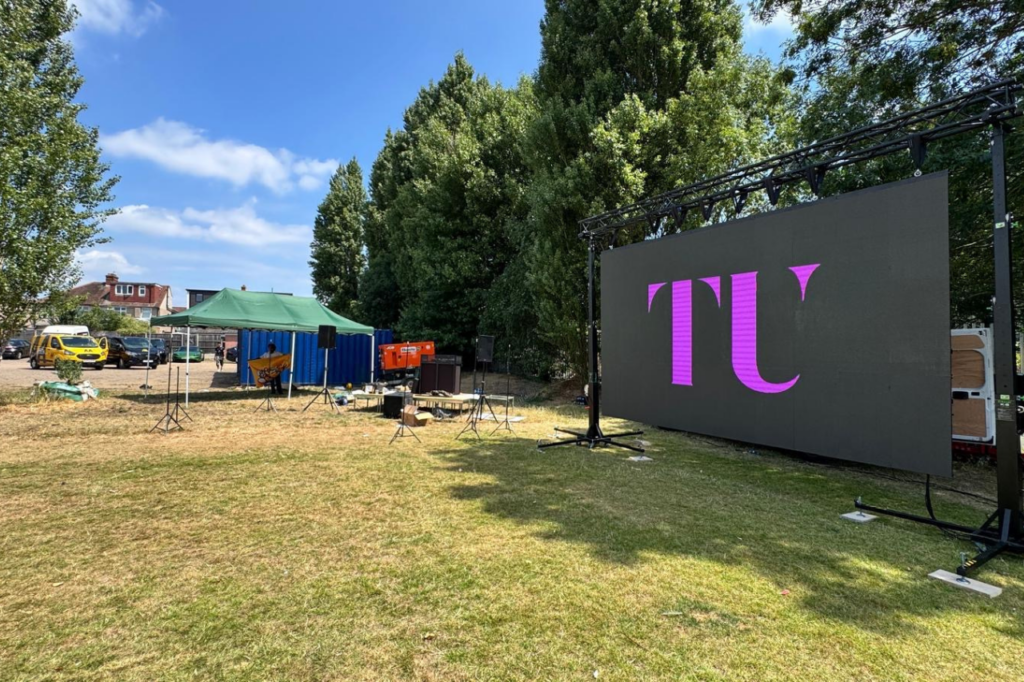
The size of an LED video wall should be based on the venue, audience and content rather than simply choosing the largest available display.
Common configurations include:
- Wide LED screens for conference stages
- Large backdrops for concerts and live events
- Vertical LED displays for exhibition stands
- Multiple LED screens for different stage areas
- Custom-shaped displays for creative event designs
The screen’s pixel pitch also matters. Smaller pixel pitches generally provide greater pixel density and are better suited to closer viewing distances. Larger pixel pitches may be appropriate for audiences viewing the screen from farther away.
Choosing the correct configuration helps ensure that the display looks clear without unnecessary equipment or expense.
3. Check Power Requirements Before Installation
LED video walls require appropriate electrical supplies to operate safely and reliably.
Power requirements depend on the screen’s dimensions, panel specifications, brightness settings and operating conditions.
Event organisers should confirm:
- Available electrical supplies at the venue
- The expected power requirements of the display
- The location of power distribution equipment
- Cable routes and potential trip hazards
- Whether additional electrical provision is required
Electrical connections and distribution should be handled by appropriately qualified personnel.
Planning these requirements in advance reduces the risk of delays during installation.
4. Understand Rigging and Structural Requirements
Some LED video walls are installed on the ground, while others are suspended above a stage or exhibition area.
Suspended installations require particular attention to structural suitability, loading, rigging arrangements and venue approval.
Before installation, the team should establish:
- The total weight of the LED display and supporting equipment
- The appropriate support or rigging arrangement
- Whether the venue permits suspended equipment
- Any required structural assessments or approvals
- Safe access for installation and maintenance
Ground-supported screens also require suitable structures and stable installation conditions.
The installation method should always be selected and assessed by competent professionals.
5. Allow Enough Time for Installation and Testing
LED video wall installation can take several hours or longer, depending on the size and complexity of the display.
The schedule should account for:
- Equipment delivery and unloading
- Assembly of supporting structures
- LED panel installation
- Power and signal connections
- Screen configuration
- Content testing
- Final adjustments
Larger displays, suspended installations and complex stage designs may require considerably more preparation time.
Event organisers should coordinate the installation schedule with venue access times, other suppliers and rehearsal requirements.
A proper testing period is particularly important when the screen will display presentations, video playback or live camera feeds.
6. Prepare Your Content Before the Screen Is Installed
The LED video wall should be configured around the content it needs to display.
Before the event, confirm:
- The intended screen resolution and aspect ratio
- Presentation and video file formats
- The location of playback equipment
- Whether live camera feeds are required
- Any switching or scaling requirements
- The connection arrangements for presenters’ laptops
Content should be prepared at suitable dimensions to avoid unnecessary stretching, cropping or black borders.
For conferences and corporate events, presentation slides should also use sufficiently large text and clear visuals for the intended audience.
7. Test the Display Before the Event Starts
Testing is an essential part of LED video wall installation.
The installation team should check the display for:
- Correct panel alignment
- Consistent brightness and colour
- Signal stability
- Correct image scaling
- Functioning playback and switching equipment
- Any visible panel faults or display issues
The screen should be tested using the actual content and signal sources planned for the event whenever possible.
This provides time to identify and resolve problems before attendees arrive.
8. Consider Indoor and Outdoor Installation Requirements
Indoor and outdoor LED video wall installations have different requirements.
Indoor displays are commonly used for conferences, exhibitions, corporate presentations and stage backdrops.
Outdoor displays may be used for festivals, public events and outdoor performances. These installations require suitable equipment and additional planning for environmental conditions.
Outdoor installation considerations include:
- Weather protection and equipment suitability
- Wind loading and structural stability
- Ground conditions
- Ambient light and screen brightness
- Cable protection
- Weather-related contingency arrangements
For outdoor events, the installation team should assess the site and determine the appropriate display and support arrangements.
Should You Hire a Professional LED Video Wall Installation Team?
For temporary events, working with an experienced LED video wall hire provider can simplify the installation process.
A professional event display team can help with:
- Selecting an appropriate screen configuration
- Assessing venue and installation requirements
- Providing supporting structures and equipment
- Connecting and configuring the display
- Testing content and signal sources
- Coordinating installation and dismantling
This is particularly useful for events with tight schedules, limited technical resources or complex display requirements.
LED Video Wall Installation Checklist
Before your event, confirm the following:
- Screen size and configuration have been agreed.
- Viewing distances and sightlines have been considered.
- Venue access and installation times are confirmed.
- Power requirements have been reviewed.
- Ground support or rigging arrangements have been approved.
- Content specifications have been shared.
- Playback and signal equipment have been confirmed.
- Testing and rehearsal time have been scheduled.
- Installation and dismantling arrangements are documented.
Having these details confirmed early helps prevent avoidable delays and supports a more organised event setup.
Frequently Asked Questions
How long does LED video wall installation take?
Installation time depends on screen size, configuration, venue access and structural requirements. Smaller displays may take several hours, while larger or more complex installations can require a longer setup period.
Can LED video walls be installed on any event stage?
Not necessarily. The stage or supporting structure must be suitable for the display’s weight and installation method. Venue restrictions and structural requirements should be assessed before installation.
Do LED video walls require special power supplies?
LED video walls require appropriate electrical supplies and power distribution based on the display specifications. These requirements should be confirmed with the installation team and venue before the event.
Can an LED video wall display PowerPoint presentations?
Yes. LED video walls can display PowerPoint presentations through compatible playback or signal equipment. The presentation source and screen configuration should be tested before the event.
Is LED video wall installation included in screen hire?
Installation, technical support and dismantling may be included in an LED video wall hire package, depending on the supplier and agreed scope. Confirm the exact inclusions before booking.
Arrange LED Video Wall Hire for Your Event
A successful LED video wall installation starts with careful planning, suitable equipment and an experienced technical team.
Whether you’re organising a conference, exhibition, corporate event or live production, choosing the right display and installation arrangement can help your event run smoothly.
Technically Unique provides event production and AV equipment hire services for events requiring professional display solutions.
Planning an LED video wall for your next event? Contact Technically Unique to discuss your screen requirements, installation arrangements and event schedule.