
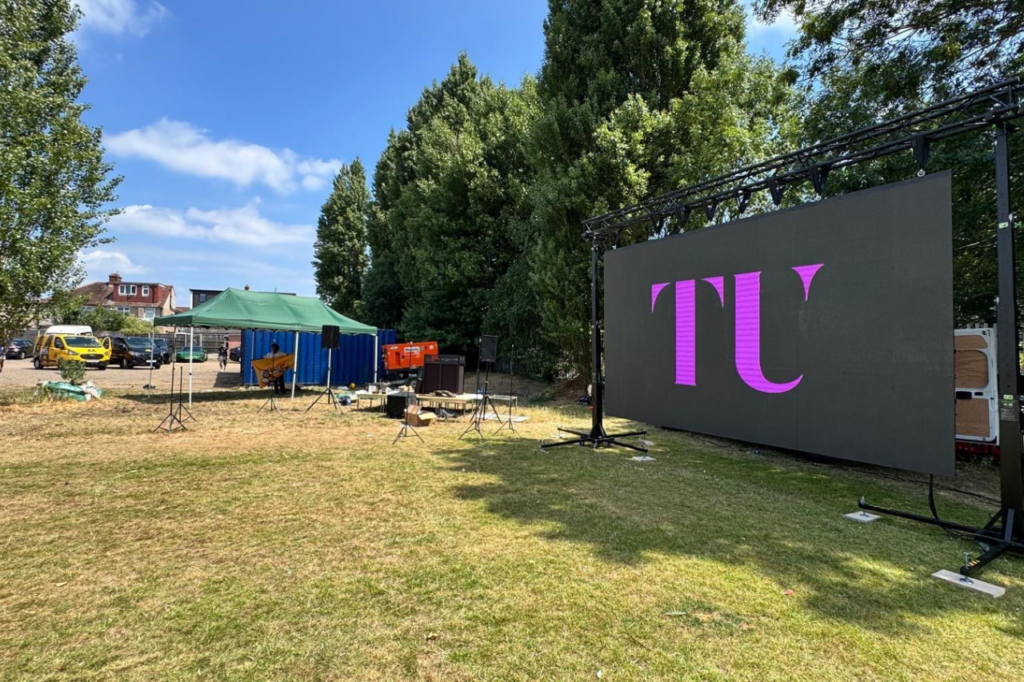
LED video panels are used to create large digital displays at conferences, exhibitions, concerts, festivals and corporate events. They can be joined together to form a video wall that displays presentations, live footage, promotional videos and branded content.
However, not all LED panels are the same. Screen size, pixel pitch, brightness and installation requirements can affect how well a display works in a particular venue.
Understanding these differences makes it easier to choose suitable LED video panels for an event.
What Are LED Video Panels?
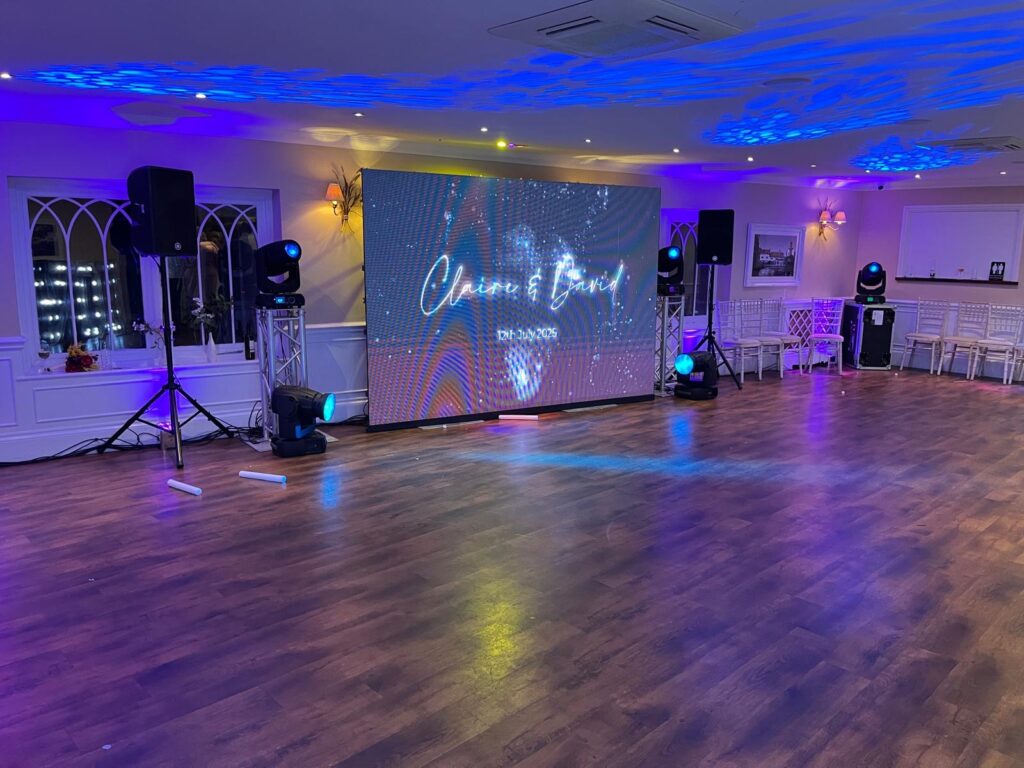
LED video panels are display units that use light-emitting diodes to produce images and video. Multiple panels can be connected to create a larger screen, with each panel contributing to the final image.
The panels are designed to work as part of a display system that may include video processors, control equipment, media players and other components.
LED video panels are commonly used for:
- Conference presentations and keynote speeches.
- Exhibition stands and trade shows.
- Concerts and festivals.
- Corporate events and product launches.
- Award ceremonies and gala dinners.
- Outdoor events and public screenings.
The type of panel required depends on where the display will be used, how far away the audience will stand and what content will appear on the screen.
How Do LED Video Panels Work?
Each LED panel contains many small light-emitting diodes that produce the colours needed to display images and video.
When multiple panels are connected and configured correctly, they work together as one larger display. A video processor helps manage the incoming content and maps it to the screen’s layout.
For example, a display made from several panels can show a single presentation across the full screen rather than displaying separate images on each panel.
The number of panels needed depends on the desired screen dimensions and the size of the individual units. The final resolution also depends on the pixel pitch and the total display dimensions.
Types of LED Video Panels
LED panels come in different specifications for different environments and uses.
1. Indoor LED Video Panels
Indoor LED panels are designed for controlled environments such as conference halls, exhibition centres, hotels and indoor event venues.
They are commonly used for presentations, branded backgrounds, product demonstrations and live video feeds.
The required brightness depends on the venue lighting and screen position. Pixel pitch is also important because audiences may stand or sit relatively close to an indoor display.
For example, an exhibition stand may need a finer-pitch display so that visitors can view text, graphics and product details from a short distance.
2. Outdoor LED Video Panels
Outdoor LED panels are designed for use in specified outdoor conditions. They are commonly used at festivals, concerts, sporting events and outdoor corporate gatherings.
These displays may require higher brightness to remain visible in daylight. Their weather protection, electrical connections and supporting structures must also be suitable for the installation environment.
Outdoor equipment should be selected according to the expected weather, wind exposure, site layout and manufacturer’s operating requirements.
Read the guide to outdoor LED video walls for events for more information about outdoor display planning.
3. Fine-Pitch LED Panels
Fine-pitch LED panels have a small distance between neighbouring pixels. This allows them to produce detailed images at relatively close viewing distances.
They can be useful for conference presentations, premium exhibition displays, studios and applications where people need to see fine details.
However, finer pixel pitch is not automatically the best choice for every event. The correct specification depends on the audience distance, screen dimensions and content.
4. Large-Format LED Video Walls
Large-format LED video walls are created by combining multiple LED panels into one display.
They can be configured to suit different stage designs, exhibition spaces and event layouts. Depending on the setup, the display may be wide, tall or built into a larger production structure.
The design must account for the screen’s total dimensions, image resolution, weight, support system and access requirements.
What Is Pixel Pitch in LED Video Panels?
Pixel pitch is the distance between the centres of two neighbouring pixels, measured in millimetres.
It is commonly used to describe the level of detail an LED display can provide.
A smaller pixel pitch generally means more pixels fit into a given area, allowing the screen to display finer details at closer viewing distances.
A larger pixel pitch generally provides fewer pixels across the same area, which may be suitable when the audience is positioned farther away.
For example, a fine-pitch screen may work well in a conference room where people sit close to the display. A larger-pitch screen may be appropriate for a large outdoor audience viewing a display from a distance.
The best choice should be based on the actual viewing conditions rather than pixel pitch alone.
Understanding LED Panel Resolution
Resolution refers to the number of pixels used to form the displayed image. It is commonly expressed as the number of horizontal pixels by the number of vertical pixels.
For an LED video wall, the final resolution depends on the physical screen dimensions and the pixel pitch of the panels.
A larger physical screen does not necessarily have a higher resolution than a smaller one. A screen with a finer pixel pitch can fit more pixels into the same area.
Resolution matters because it affects how clearly the display can reproduce text, graphics and video.
When planning an LED video wall, consider the following:
- Presentations: Text and charts should remain readable from the audience’s seating positions.
- Video content: The display should be configured to handle the resolution and format of the source material.
- Branding: Logos and graphics should look clear at the expected viewing distance.
- Live footage: The video system should support the required input sources and signal formats.
Content should also be prepared for the final screen dimensions to avoid unwanted cropping, stretching or unused areas.
How to Choose the Right LED Video Panels for an Event
Before hiring LED video panels, identify the main purpose of the display and the conditions in which it will operate.
1. Consider the Venue
An indoor conference room has different requirements from an outdoor festival.
Check the available space, ceiling height, lighting, access routes and installation restrictions. For outdoor venues, consider ground conditions, wind exposure and weather protection.
The venue information will help determine which panels and supporting equipment are suitable.
2. Work Out the Required Screen Size
Think about the number of people attending and where they will view the display.
A small screen may be suitable for a meeting or compact exhibition stand, while a large audience may need a wider display or additional screens.
Consider the available installation space and make sure the display does not obstruct walkways, emergency exits or other essential venue facilities.
3. Choose the Appropriate Pixel Pitch
The viewing distance should guide the pixel pitch selection.
People standing close to a screen may notice individual pixels more easily, while an audience farther away may not need the same level of detail.
Ask the display supplier to recommend a suitable specification based on the intended audience positions and content.
4. Check Brightness Requirements
The screen must be bright enough for the surrounding conditions.
Indoor displays may operate in controlled lighting, while outdoor displays may need to compete with daylight. Screen orientation, direct sunlight and nearby lighting can also affect visibility.
Discuss the expected conditions with the supplier before selecting the equipment.
5. Confirm Content and Connectivity
Check how the screen will receive content and what equipment is required to display it.
A presentation-based setup may need a laptop and video processor, while a concert may require live camera feeds and additional video control equipment.
Confirm input connections, playback formats, signal routing and who will operate the system during the event.
6. Plan the Installation
LED video panels must be installed using a support system suitable for the screen dimensions and venue.
Depending on the design, the installation may require ground support, rigging or another approved arrangement.
Confirm who is responsible for delivery, assembly, testing, operation and dismantling. For larger displays, structural requirements and site safety arrangements should be addressed before the event.
LED Video Panels vs Traditional Projectors
LED video panels and projectors can both display digital content, but they work differently and suit different conditions.
LED Video Panels
LED displays produce their own light. This can make them suitable for bright environments and applications where a large, high-impact display is needed.
They can also be assembled into different screen dimensions, although the final configuration depends on the available panels and support system.
Projectors
Projectors cast an image onto a screen or suitable surface. They can work well in conference rooms, meeting spaces and other environments where lighting can be managed.
Image visibility can be affected by ambient light and the projection surface. The available space and projector throw distance also influence the setup.
Which Is Better for Events?
The best option depends on the venue, content, budget and viewing conditions.
LED panels may be a strong choice for bright spaces, large stage displays and outdoor events. Projectors may be suitable for presentations in controlled lighting or venues where a projection system is already available.
Compare the full equipment and installation requirements before making a decision.
Should You Hire or Buy LED Video Panels?
Hiring and purchasing serve different needs.
Hiring LED Video Panels
Hiring can be a practical option for businesses and organisers that need a display for specific events.
Potential benefits include access to suitable equipment without purchasing an entire display system, flexibility to select different screen sizes and the option to arrange technical support.
It can also reduce the need to manage long-term storage and maintenance.
Buying LED Video Panels
Buying may be worth considering for organisations that use displays frequently and have the staff, facilities and technical resources to maintain them.
However, ownership involves more than the initial purchase. Transport, storage, maintenance, repairs, spare parts and installation equipment can all add to the cost.
If the display will only be used occasionally, compare the cost of hiring with the full cost of ownership before deciding.
What Affects the Cost of LED Video Panel Hire?
The cost of hiring LED video panels depends on the screen specification and the work required to install and operate it.
Important factors include:
- Screen dimensions: Larger displays usually require more panels and supporting equipment.
- Pixel pitch: The required level of detail affects the choice of display.
- Hire period: Costs depend partly on how long the equipment is needed.
- Installation: Support structures, access and assembly requirements affect the setup.
- Transport: Delivery and collection depend on the venue and equipment volume.
- Technical support: Video processing, live content management and on-site assistance may affect the quotation.
- Venue conditions: Power availability, access restrictions and outdoor requirements can influence planning.
When requesting a quotation, provide the event date, venue, approximate screen dimensions, audience layout and intended content. Ask for a clear breakdown of equipment, delivery, installation, dismantling and technical support.
Why Professional LED Screen Setup Matters
An LED video wall is more than a collection of display panels. It is a complete system that must be configured, connected and installed correctly.
A suitable setup helps ensure that the screen dimensions, image resolution, content sources and support arrangements work together.
Professional planning is particularly important for large displays, outdoor installations and live events where technical problems can affect the programme.
Before the event, the team should confirm the screen configuration, test the content and signal connections, and check the installation against the agreed technical and safety requirements.
LED Video Panel Hire With Technically Unique
Choosing the right LED video panels starts with understanding the venue, audience and type of content being displayed.
Pixel pitch and resolution help determine image detail, while brightness, weather protection and installation requirements influence which equipment is suitable.
Whether the event is a conference, exhibition, concert or outdoor gathering, planning these details early can help ensure that the display meets the production requirements.
Technically Unique provides event production and display hire services. Discuss the event requirements with the team to explore suitable display options.
Planning an event that needs an LED display? Visit the Technically Unique contact page to discuss your requirements and request a quotation.
Frequently Asked Questions
What are LED video panels used for?
LED video panels are used to create digital displays for conferences, exhibitions, concerts, festivals, corporate events, product launches and other productions.
What is the difference between LED panels and an LED video wall?
An LED panel is an individual display unit. An LED video wall is created by connecting multiple panels to form a larger display.
What does pixel pitch mean?
Pixel pitch is the distance between neighbouring pixels, measured in millimetres. A smaller pixel pitch generally allows more image detail at closer viewing distances.
Are LED video panels suitable for outdoor events?
Yes, provided the equipment and installation are designed for the expected outdoor conditions. Brightness, weather protection, power connections and structural support should all be considered.
How do I choose the right LED panel resolution?
Consider the physical screen dimensions, pixel pitch, audience distance and type of content. A display supplier can recommend an appropriate configuration for the event.
Is it better to hire or buy LED video panels?
Hiring can suit occasional events and changing screen requirements. Buying may be worth considering for frequent use, provided storage, maintenance and other ownership costs are taken into account.