
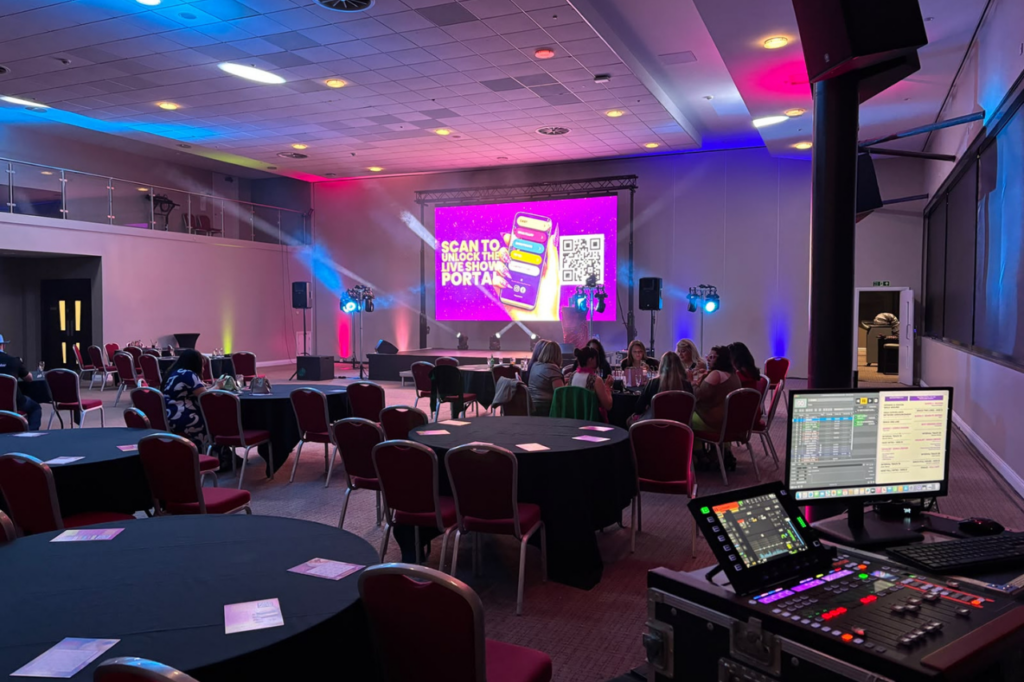
Outdoor events need displays that can deliver clear visuals across large spaces and remain visible in changing weather and lighting conditions. An LED outdoor video wall can help event organisers present live footage, promotional videos, presentations and branded content to audiences.
These displays are commonly used at music festivals, outdoor concerts, sporting events, corporate gatherings and brand activations. However, choosing the right screen involves more than deciding how large it should be.
Brightness, pixel pitch, weather protection, viewing distance and installation requirements all affect the final setup.
This guide explains how outdoor LED video walls work, where they are used and what to consider before hiring one for an event in the UK.
What Is an Outdoor LED Video Wall?
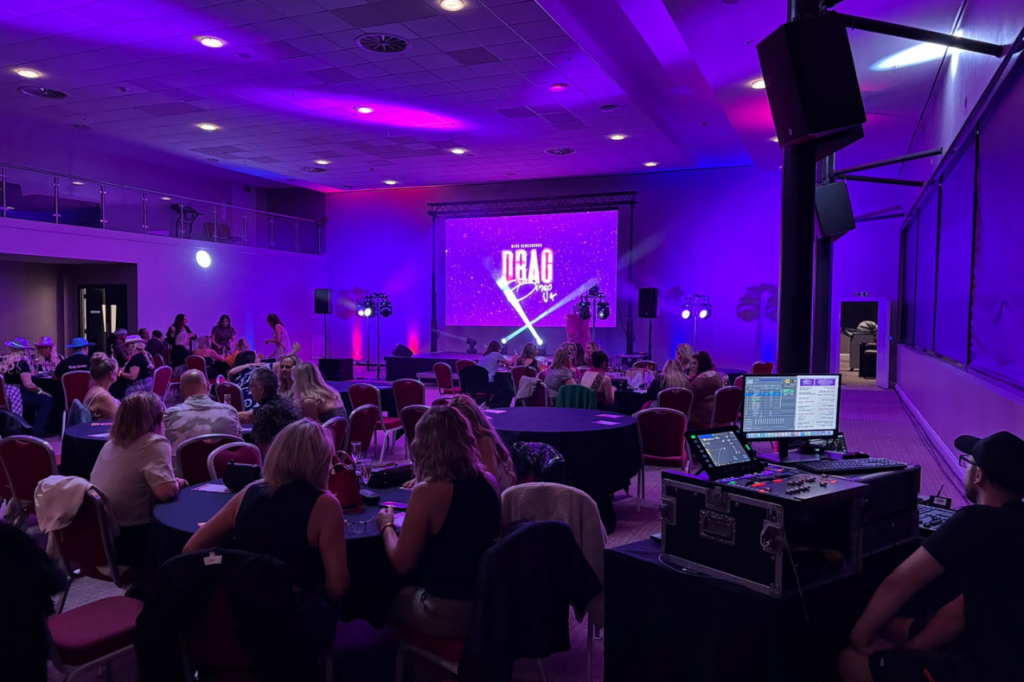
An outdoor LED video wall is a large digital display made from multiple LED panels connected to create one continuous screen. It can show videos, images, live camera feeds, promotional content and other digital material.
Unlike a display designed for a controlled indoor environment, an outdoor LED video wall is selected for conditions such as daylight, moisture and changing temperatures. The equipment must be suitable for the specific environment and installation.
Outdoor LED video walls are often used where audiences need to see content across a large area. Depending on the event, the screen may be installed beside a stage, within a temporary event structure or at another suitable viewing location.
The dimensions, brightness and support system should be selected according to the venue, audience and intended use.
Where Are Outdoor LED Video Walls Used?
Outdoor LED video walls can support different types of events. Their configuration depends on the content, audience size and conditions at the installation site.
1. Music Festivals and Outdoor Concerts
Large outdoor events often need screens that allow audiences to follow performances from different viewing positions.
An LED video wall can display live camera footage, performers, animations, sponsor graphics and other production visuals. Additional displays may be useful when the audience area is wide or the stage is difficult to see from certain locations.
Screen placement should be planned around audience sightlines, stage equipment, lighting and the overall production design.
2. Sporting Events
Outdoor LED screens can display live footage, scores, schedules, announcements and sponsor content at sporting events.
The screen size and position should suit the audience area and the type of information being shown. Text-heavy content may require a different configuration from video footage viewed at a distance.
Organisers should also consider how the display will connect to video sources and whether technical staff are needed to manage the content.
3. Outdoor Corporate Events
Businesses can use outdoor LED video walls for company presentations, product demonstrations, branded content and live broadcasts.
For example, a corporate gathering in an outdoor venue may use a screen to display presentations while speakers address the audience.
The display should be bright enough for the expected lighting conditions, with suitable dimensions for the audience and venue layout.
4. Brand Activations and Product Launches
Outdoor brand activations often use digital displays to introduce products, present campaign visuals and attract attention.
An LED video wall can support demonstrations, animations and promotional videos. It can also form part of a larger temporary event structure.
Before selecting the screen, consider the campaign’s main message, the expected audience distance and how the display will fit within the activation space.
5. Public Screenings and Community Events
Outdoor LED screens can be used for public screenings, community celebrations and local events.
These applications require careful consideration of viewing positions, brightness, power supply and site access.
Organisers should also account for crowd movement and ensure that the screen and its supporting equipment do not obstruct access routes or create hazards.
What Are the Benefits of Outdoor LED Video Walls?
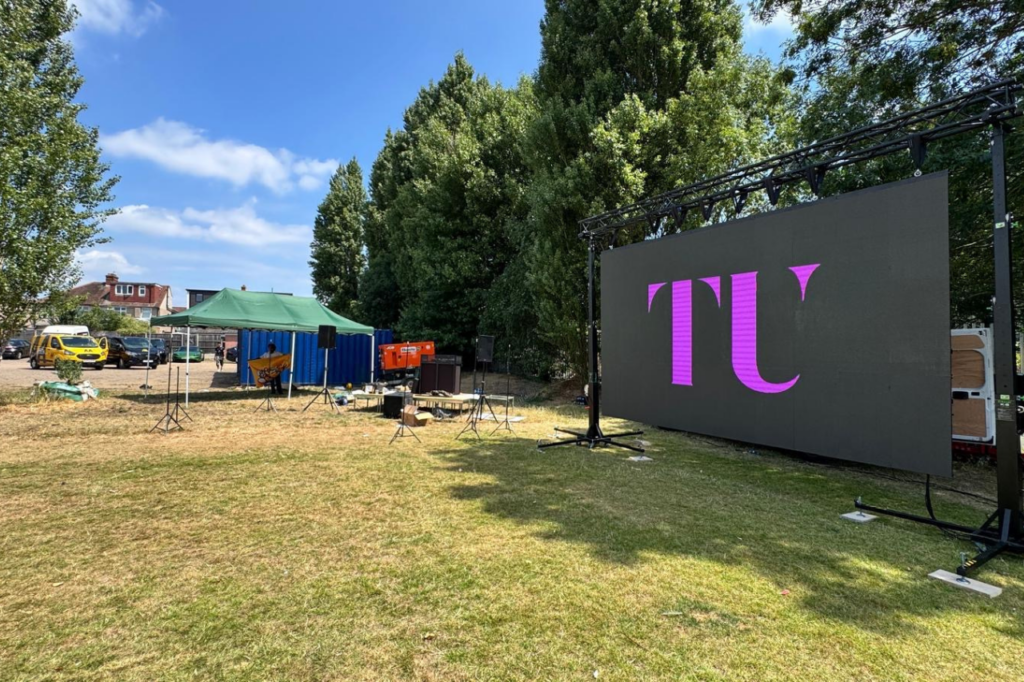
An outdoor LED video wall can offer several practical benefits when the equipment is matched to the event.
Clear Visibility in Daylight
Outdoor displays are available with brightness levels designed for different lighting conditions. A suitably specified screen can help keep content visible during daylight events.
The required brightness depends on factors such as direct sunlight, screen orientation and the surrounding environment.
Flexible Screen Sizes
LED panels can be assembled into different dimensions, allowing the display to suit the stage, audience area or event structure.
This flexibility is useful for productions with different layouts and viewing requirements.
Support for Live Content
Outdoor LED video walls can display live camera feeds, presentations, promotional videos and event information.
With suitable processing equipment and connections, the display can support different content sources throughout the event.
Strong Visual Presentation
Large digital displays provide space for video, graphics, branding and other visual content.
When the screen is positioned correctly and the content is prepared for its dimensions, it can help communicate information across a large audience area.
How to Choose the Right Outdoor LED Video Wall
The right screen depends on the event’s purpose, venue and technical requirements. Consider the following factors before arranging outdoor LED video wall hire.
1. Screen Size and Viewing Distance
Start by measuring the available installation space and identifying where the audience will be positioned.
A screen used by a small outdoor audience may need different dimensions from a display serving a large festival crowd.
Consider the nearest and farthest viewing positions. The screen should be large enough for the intended audience to follow the content without taking up unnecessary space or creating installation challenges.
For large or wide audience areas, multiple displays may be worth considering.
2. Brightness
Brightness is especially important for outdoor LED video walls because sunlight can reduce the visibility of displayed content.
Brightness is measured in nits, also known as candelas per square metre. Outdoor displays often offer higher brightness levels than indoor screens, but the appropriate specification depends on the actual conditions.
Consider whether the event takes place during the day, in the evening or across both periods.
A screen facing direct sunlight may have different requirements from one positioned under a shaded structure. Ask the supplier to recommend equipment based on the location and expected lighting.
3. Pixel Pitch and Resolution
Pixel pitch measures the distance between the centres of neighbouring LED pixels, usually in millimetres.
A smaller pixel pitch generally provides greater image detail at closer viewing distances. A larger pitch may be suitable for a large screen viewed from farther away.
The right specification depends on the screen dimensions, audience distance and content.
For example, detailed graphics and text may need a different specification from large visuals shown to an audience positioned well away from the stage.
4. Weather Protection
Outdoor equipment needs to be suitable for the environmental conditions expected at the event.
Check the manufacturer’s weather-protection specifications and IP ratings for the display equipment. An IP rating describes protection against solid particles and water ingress, but the level of protection can differ between components and cabinet surfaces.
The entire installation must also be suitable for the conditions. This includes power connections, cabling, supporting equipment and any temporary structures.
Do not assume that an outdoor-rated screen can operate safely in every weather condition. Follow the equipment manufacturer’s operating limits and the supplier’s advice.
5. Power and Connectivity
Outdoor LED video walls need a suitable power supply and a way to receive the intended content.
Depending on the setup, the system may require video processors, media players, computers, signal distribution equipment and suitable cable runs.
Before booking, confirm the available power at the venue and identify how content will be delivered to the display.
If the event includes live camera feeds, presentations or multiple video sources, discuss the technical requirements with the supplier in advance.
6. Installation and Structural Support
Outdoor LED video walls need a suitable support and installation plan.
Depending on the screen dimensions and location, the setup may use an approved ground-support structure or another engineered arrangement.
Important considerations include:
- Ground conditions and stability.
- Wind exposure and structural loading.
- Screen height and positioning.
- Safe access for installation and dismantling.
- Power distribution and cable routing.
- Public access and crowd movement.
- Venue rules and site safety requirements.
Large outdoor displays should be installed by appropriately qualified professionals using equipment and support systems suitable for the site.
7. Content and Aspect Ratio
Prepare the content before finalising the screen configuration.
Videos, graphics and presentations should match the screen’s resolution and aspect ratio as closely as practical. Otherwise, content may appear stretched, cropped or surrounded by unused screen space.
For outdoor events, text and key visuals should be easy to understand from the intended viewing distance.
Keep important messages clear and avoid placing essential information too close to the screen edges.
Outdoor LED Video Wall Hire vs Buying
Businesses and event organisers may choose to hire or purchase an outdoor LED video wall depending on how frequently it will be used.
When Hiring Makes Sense
Hiring is often worth considering for occasional events, seasonal campaigns and one-off productions.
Potential benefits include:
- Access to equipment suited to the event.
- Flexibility to select different screen dimensions.
- Less need for long-term equipment storage.
- Reduced responsibility for ongoing maintenance.
- The option to arrange delivery, installation and technical support.
Hiring can be particularly practical when different venues require different display configurations.
When Buying May Be Worth Considering
Purchasing may be worth exploring for organisations that use outdoor displays regularly and have the facilities and technical resources to manage them.
However, the purchase price is only part of the total cost. Ownership may also involve transport, storage, maintenance, repairs, replacement parts and installation equipment.
Compare the expected cost of repeated hires with the full cost of ownership before deciding.
What Affects Outdoor LED Video Wall Hire Costs?
The cost of outdoor LED video wall hire depends on the equipment, installation and event requirements. There is no single price that applies to every setup.
The main factors include:
Screen size: Larger displays generally require more LED panels and supporting equipment.
Pixel pitch: The required image detail can affect which display specification is appropriate.
Hire duration: The cost may vary depending on the number of event days and the installation schedule.
Support structures: Larger screens may need more complex installation arrangements.
Delivery and collection: Transport costs depend on the venue location, equipment volume and access conditions.
Technical support: Live content switching, video processing and on-site assistance may affect the quotation.
Site conditions: Outdoor access, ground conditions and environmental requirements can influence installation planning.
When requesting a quote, provide the event date, venue, screen dimensions, audience layout and expected operating hours. Include details of any live video sources or special installation requirements.
Ask for a breakdown of equipment, transport, installation, dismantling and technical support so you can compare quotations accurately.
How to Prepare for Outdoor LED Screen Installation
Planning early can help reduce problems during installation and on the event day.
Confirm the Venue Requirements
Check access arrangements, installation times, available power and any restrictions on temporary structures.
Make sure the supplier has the relevant information before the equipment is selected.
Plan the Screen Location
Choose a position that provides suitable viewing angles without blocking access routes, emergency exits or other important event facilities.
Consider how the screen will interact with the stage, lighting, sound equipment and audience layout.
Test the Content
Prepare videos, presentations and graphics in the required formats. Test the playback equipment and confirm that the content fits the final display configuration.
For live events, agree on who will manage video sources and handle technical changes.
Prepare for Weather Changes
Discuss the expected conditions and the equipment’s operating limits with the supplier.
Confirm how the installation will be managed if conditions become unsuitable. Any weather-related operating decisions should follow the manufacturer’s requirements, the site safety plan and the advice of the responsible technical team.
Outdoor LED Video Wall Hire With Technically Unique
Choosing an outdoor LED video wall involves balancing screen size, brightness, image detail, weather protection and installation requirements.
A festival may need a large display for a wide audience, while an outdoor corporate event may require a screen suited to presentations and branded content. In every case, the equipment and installation should match the venue and intended use.
Technically Unique provides event production and display hire services. Discuss your event date, venue, audience layout and content requirements with the team to explore suitable options.
Planning an outdoor event? Visit the Technically Unique contact page to discuss LED screen hire and request a quotation.
Frequently Asked Questions
What is an outdoor LED video wall?
An outdoor LED video wall is a large digital display assembled from LED panels and selected for use in specified outdoor conditions. It can show videos, images, live footage and promotional content.
Can outdoor LED video walls be used in daylight?
Yes, provided the screen has suitable brightness for the lighting conditions. Direct sunlight, screen orientation and surrounding obstructions all affect visibility.
Are outdoor LED video walls waterproof?
Outdoor displays may have weather-resistant cabinets with specified IP ratings. However, protection varies by equipment and component, and the complete installation must be suitable for the expected conditions.
How large should an outdoor LED screen be?
The right size depends on the audience area, viewing distance, content and installation space. A supplier can help determine suitable dimensions based on the event layout.
How much does outdoor LED video wall hire cost?
The price depends on screen size, pixel pitch, hire duration, transport, support structures, installation and technical support. Request a quotation based on your actual event requirements.
Can outdoor LED video walls show live camera footage?
Yes. With suitable video processing and signal connections, outdoor LED video walls can display live camera feeds alongside other event content.
How far in advance should I book an outdoor LED video wall?
Book as early as practical, especially for large events or installations that require structural planning. Early booking allows more time to confirm equipment availability, site requirements and technical arrangements.